
When you hear the term “UPS”, many people immediately think of the global delivery company, but UPS actually has multiple meanings depending on the context. Understanding its different interpretations is essential for technology, business, and everyday life. This article provides a comprehensive look at UPS meaning, its applications, and key insights.
What Does UPS Stand For?
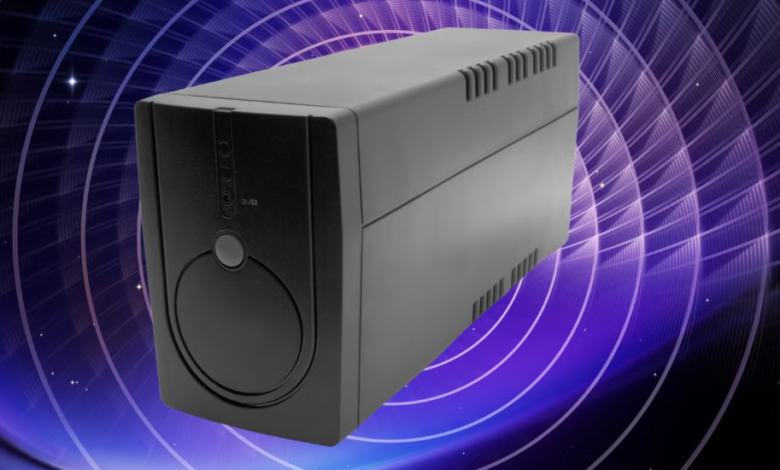
UPS stands for Uninterruptible Power Supply in the context of electronics and technology. It is a device that provides emergency power to a load when the main power source fails. UPS systems are commonly used to protect critical hardware like computers, data centers, telecommunication equipment, and other electrical devices from sudden power interruptions.
In a different context, UPS also refers to United Parcel Service, which is a global logistics and package delivery company. This shows that the term can have different interpretations depending on the scenario.
See also: Move to an Irish island and get up to €84,000 for renovations? Why not!
UPS Meaning in Technology
In technology, UPS plays a crucial role in preventing data loss and hardware damage. Here are the main types of UPS systems:
- Offline/Standby UPS
- Provides basic protection against power surges and outages.
- Switches to battery power when the main supply fails.
- Commonly used for personal computers and small office setups.
- Provides basic protection against power surges and outages.
- Line-Interactive UPS
- Offers voltage regulation along with battery backup.
- Protects against minor power fluctuations without switching to battery frequently.
- Suitable for small to medium-sized businesses.
- Offers voltage regulation along with battery backup.
- Online/Double-Conversion UPS
- Provides constant, clean power by converting AC to DC and back to AC.
- Ideal for sensitive and critical equipment such as servers and medical machines.
- Ensures zero downtime even during power failures.
- Provides constant, clean power by converting AC to DC and back to AC.
Benefits of UPS in Technology
- Prevents data loss: Keeps computers and servers running during outages.
- Protects hardware: Guards against voltage spikes, surges, and power instability.
- Ensures business continuity: Maintains operations during unexpected power interruptions.
UPS Meaning in Business and Logistics
In a business context, UPS is widely recognized as United Parcel Service. Founded in 1907, UPS is a global leader in logistics, shipping, and supply chain management. Its services include:
- Package and freight delivery
- Supply chain and logistics solutions
- E-commerce shipping solutions
UPS is synonymous with reliability, speed, and global reach. Businesses and individuals use UPS for both domestic and international deliveries, making it a trusted brand in the logistics industry.
Key Differences Between UPS in Technology and Business
| Aspect | UPS (Uninterruptible Power Supply) | UPS (United Parcel Service) |
| Type | Technology/Electronics | Business/Logistics |
| Function | Provides emergency power backup | Delivers packages and freight |
| Usage | Protects devices from power issues | Shipping and logistics solutions |
| Importance | Data protection and operational continuity | Fast and reliable delivery services |
FAQs About UPS Meaning
Q1: What does UPS mean in electronics?
A: In electronics, UPS stands for Uninterruptible Power Supply, which provides backup power to devices during a power failure.
Q2: What does UPS mean in business?
A: In business, UPS refers to United Parcel Service, a global logistics and shipping company.
Q3: Why is a UPS important for computers?
A: A UPS prevents sudden shutdowns, protects data, and safeguards hardware against power surges and outages.
Q4: What types of UPS systems exist?
A: There are three main types: Offline/Standby, Line-Interactive, and Online/Double-Conversion UPS.
Q5: Can UPS protect against all power issues?
A: While UPS can handle outages and minor surges, extreme voltage issues may require additional surge protection or voltage stabilizers.
Conclusion
The term UPS has multiple meanings, primarily in technology and business contexts. In technology, it ensures uninterrupted power supply, protecting data and devices. In business, it represents a global leader in package delivery and logistics. Understanding the context in which UPS is used is essential for accurate interpretation. Whether you are discussing electronics or shipping, UPS plays a vital role in ensuring reliability, continuity, and efficiency.


